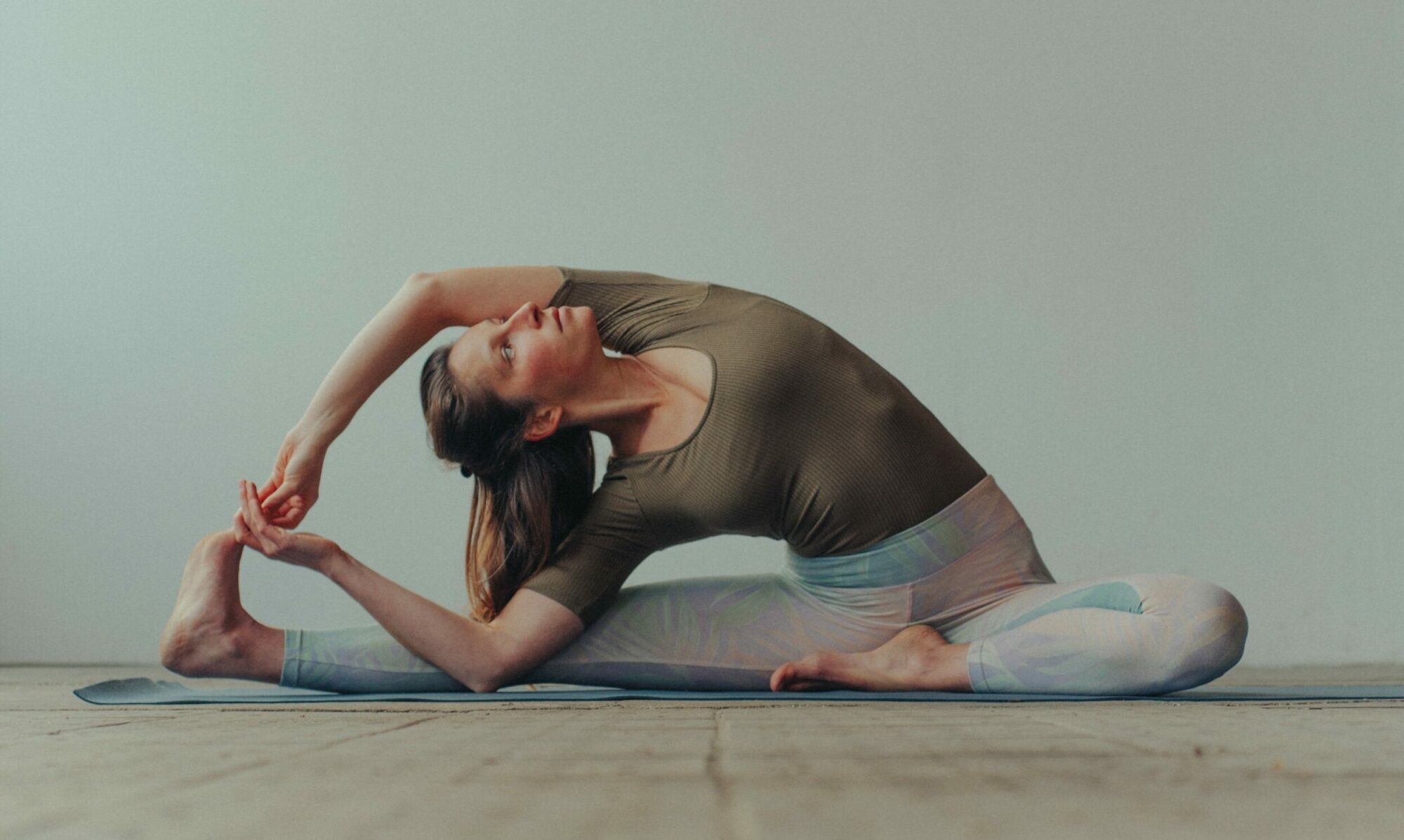
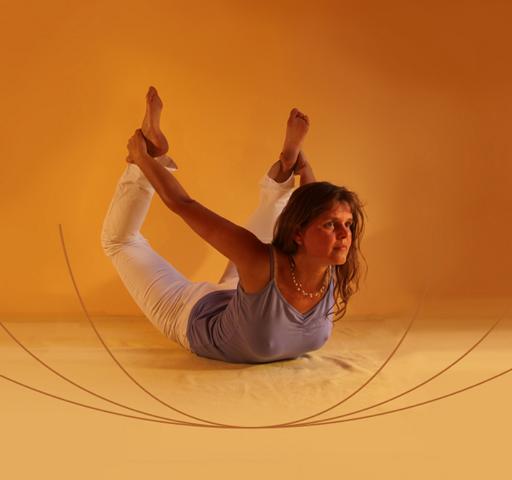
Presence (1) in the sense of consciously perceived presence is a desirable state of consciousness for many people, as it generally leads to calmness, inwardness and contentment. There are many approaches and ways in which presence can be developed and it is also understood in different ways.
Continue reading “Presence in the asana practice”The Maṇipūra chakra and the experience of vastness
Crossing the border to a first cosmic experience
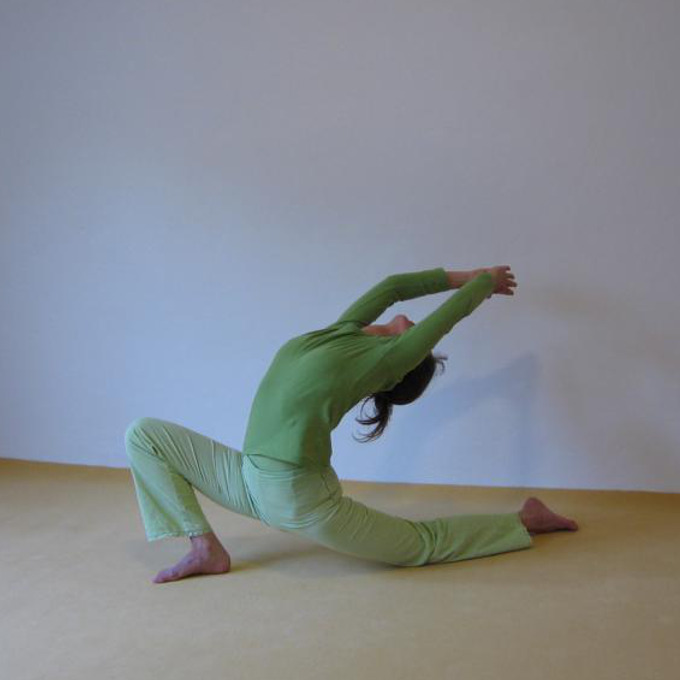
The Maṇipūra chakra is known for fire, dynamism and resilience in humans. However, this chakra also has an intensive relationship with the air element. If the air is consciously perceived through the space in which it expands, an experience of vastness arises. In this consciously experienced expanse, the body fits into a larger environment and recedes somewhat in its purely physical dominance. The practitioner consciously transcends their physical boundaries and experiences themselves a little more cosmic.
Continue reading “The Maṇipūra chakra and the experience of vastness”The healing effects of raising the ribcage
An aspect of the Maṇipūra chakra
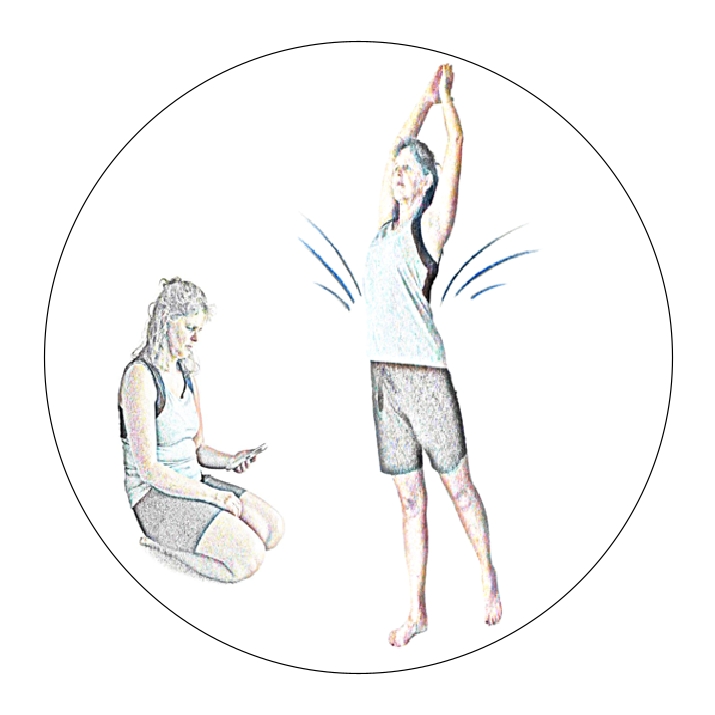
Who hasn’t experienced it? How often do we sit slumped over in everyday life? When working at a desk on long office days, when driving, on the sofa or using a cell phone. Even when standing, we often allow the middle of our torso to sink in. However, this part of the body is naturally an active area.
Continue reading “The healing effects of raising the ribcage”The momentum of the spine and the resilience of the body
What is an “own” dynamic and why does it need to be mentioned at all?
As a rule, the spine is strengthened muscularly and thus stabilized. It can also be moved in different directions: forwards, backwards and sideways. This is done under the holding force of the muscles or passively using various aids such as blocks, bolsters, cushions, blankets, etc.
Continue reading “The momentum of the spine and the resilience of the body”Yoga and the development of resilience

In psychology, the term resilience (lat. resiliere: to rebound, to contract) refers to an individual’s ability to successfully develop despite unfavorable life circumstances and critical life events.1
Continue reading “Yoga and the development of resilience”The terms brahman and atman and their connection

This article takes a closer look at the terms brahman and atman, which are often used in yoga? How can these profound concepts be understood?
Continue reading “The terms brahman and atman and their connection”Recognize-imagine-create a form of movement

Playful trial and error, regular repetition, iron discipline and perseverance or even a cautious approach are common ways of learning a movement.
Continue reading “Recognize-imagine-create a form of movement”How can “self-determination” be understood as a supra-personal development process?

Use of the term
The term “self-determination” is used differently in different contexts. In sociology, self-determination describes the independence of the individual from any kind of external control, e.g. through social constraints or state violence. In psychology, on the other hand, the term refers to the ability to take responsibility for one’s own inner life. In philosophy, self-determination describes, for example, the independence of the individual from their own drives and desires1.
Continue reading “How can “self-determination” be understood as a supra-personal development process?”What does āsana actually mean?

The term āsana describes a posture or position1. In Raja Yoga, also known as Royal Yoga, āsana is the third link of an eight-stage path. Patanjali wrote the so-called Yoga Sutras around 2000 years ago , in which he describes the philosophy and practice of yoga in concise sentences. This work forms the basis of practice for many yoga schools today and is also commonly known as ashtanga yoga, which can be translated as structure or sequence of steps.
Continue reading “What does āsana actually mean?”The expression of different forms of breathing in movement

As diverse as the yoga styles are, so different is the approach to breathing. There is no “right or wrong”, there are just different backgrounds and motives for using the breath.
Continue reading “The expression of different forms of breathing in movement”